A weld-related problem and a defect on a printed or lacquered body blank need different inspection approaches. Before choosing equipment, identify where the problem occurs and what production staff need to do when it is found. That decision shapes the monitoring method, material handling and response required on the line.
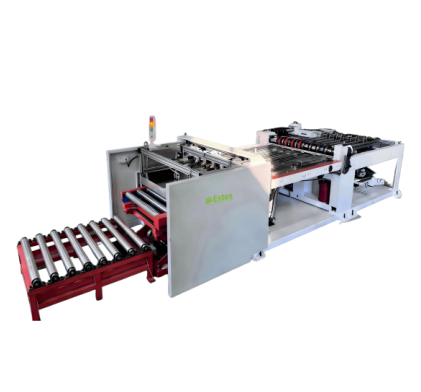
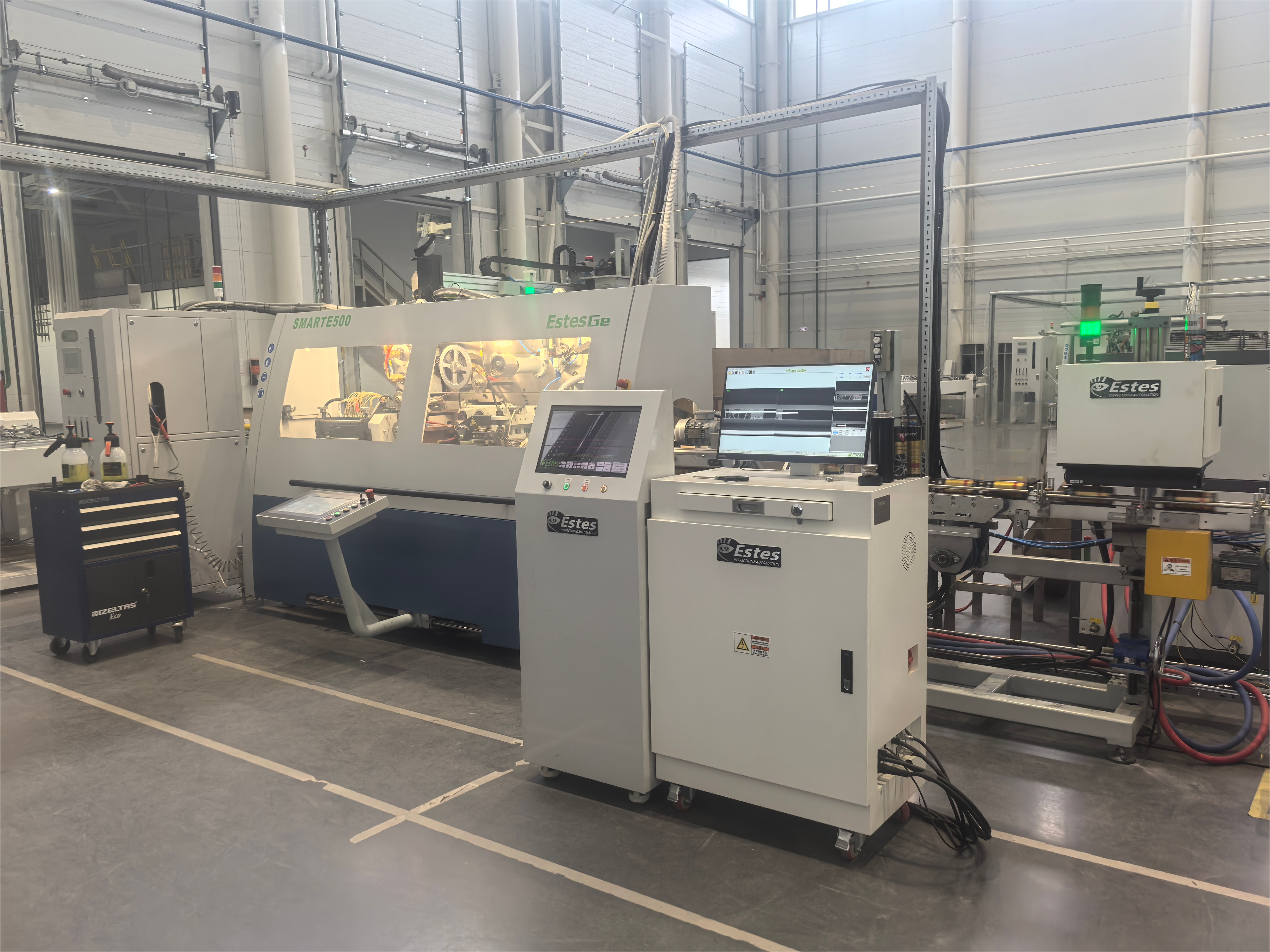
Golden Eagle and Estes Group's equipment videos show two distinct arrangements: a welding monitor integrated into a pail can welder, and an off-line checker for printing and lacquering defects on body blanks. For buyers comparing these options, the useful questions are what needs to be checked, at which stage, and how the result will be used.
Discuss your welding monitoring or blank inspection requirements
What exactly needs to be checked?
Start with a specific inspection task. For welding, describe the process condition or weld-related concern and the response needed when it falls outside the agreed limits. This gives the supplier a more useful brief than a general request for an inspection system.
For printed or lacquered blanks, identify the surface, area and defect types that matter to the finished can. Provide examples of acceptable and defective material, including normal print or coating variation. Use those samples to establish what the proposed system can distinguish and which conditions need a trial.
Ask how the proposed system measures or detects the condition of interest, what information the operator sees and what action follows a fault. The technical proposal should describe these functions for the quoted configuration.
What happens after an alert or failed inspection?
Decide what production staff need from the system: a monitoring record, an alert, an inspection classification or another defined result. Then describe what should happen next. The output is useful only when the operator or line has a clear way to act on it.
If the project requires automatic rejection, specify how the inspected item will be tracked to the rejection point and what equipment is included. For an operator alert, define how affected material will be identified and handled. Keep these arrangements explicit in the quotation so that a monitoring display is not mistaken for a complete rejection system.
Test with the material the line will actually run
Prepare representative conforming and nonconforming samples and agree how they will be labelled for the trial. Include the material, printing or coating variation and product formats that matter to the project. Record the operating conditions under which the proposed arrangement will be evaluated.
For an in-line application, discuss the intended production speed, handling and signal interfaces. For an off-line arrangement, confirm how material is presented, checked and separated after inspection. These handling details belong in the review alongside the inspection function itself.
Agree how the trial will record missed defects and false rejections of acceptable material. If a detection rate is quoted, check the sample set, defect definitions and operating conditions behind that figure.
Plan the interfaces and inspection records
Document the proposed connection to the welding machine, material-handling system and any downstream operation. Identify who supplies each interface and who is responsible for commissioning the combined arrangement. Where records are required, specify the information to retain, how it is associated with the inspected material and how users can retrieve it.
Include the installation country and operating language in the enquiry. Confirm the available training, commissioning and support arrangements for that site.
Questions to include in the equipment enquiry
- What product and process stage will be inspected or monitored?
- Which defect categories or process conditions are included?
- What samples and operating conditions will be used in the trial?
- What output, alarm, rejection or handling response is proposed?
- Which interfaces, records and commissioning responsibilities are included?
- How will application-specific acceptance results be documented?
Have a weld-monitoring or body blank inspection requirement? Send Golden Eagle and Estes Group the can or blank specification, photos or samples of the conditions to be checked, and the intended production speed. Include whether the project needs an operator alert, inspection records or material rejection, so the enquiry can focus on the equipment and interfaces that matter to your line.
Frequently asked questions
Is welding monitoring the same as inspection of printed body blanks?
No. They refer to different tasks and process stages. A welding application and a blank-surface inspection application should each have a defined scope and acceptance method.
Does a welding monitor automatically replace leak testing?
Welding monitoring and leak testing assess different conditions. Keep the leak-test requirement in the project specification and confirm which checks the proposed monitor performs. Any change to the testing plan needs an application-specific assessment.
How should a buyer choose the inspection method?
Start with the surface or process condition to be checked and provide representative acceptable and defective samples. Ask which sensing method is proposed, what it can detect and how its performance will be tested under the intended operating conditions.
Is an inspection system included with every can body welder?
Confirm the quoted scope. Ask for the welder, monitoring or inspection modules, material handling and any rejection or data functions to be listed separately, with the interfaces identified.
What evidence should a buyer request before acceptance?
Agree on representative samples, operating conditions, the required output or response and the method for recording trial results. Keep the acceptance criteria in the project documentation.
Related information: Inspection development | Can body welding equipment | Project enquiries.
Discuss an inspection project
Send your project details through the enquiry page to start the discussion.