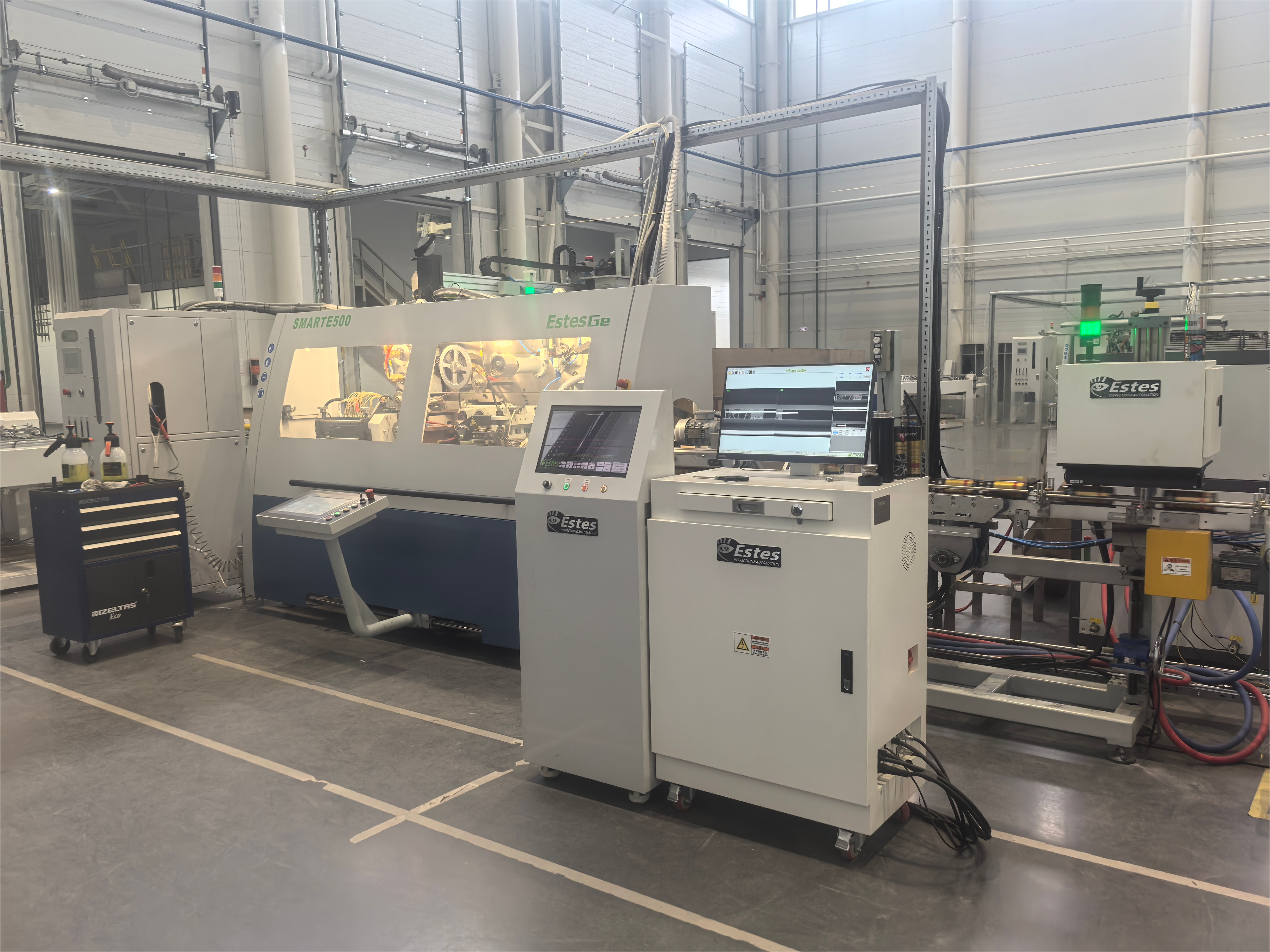
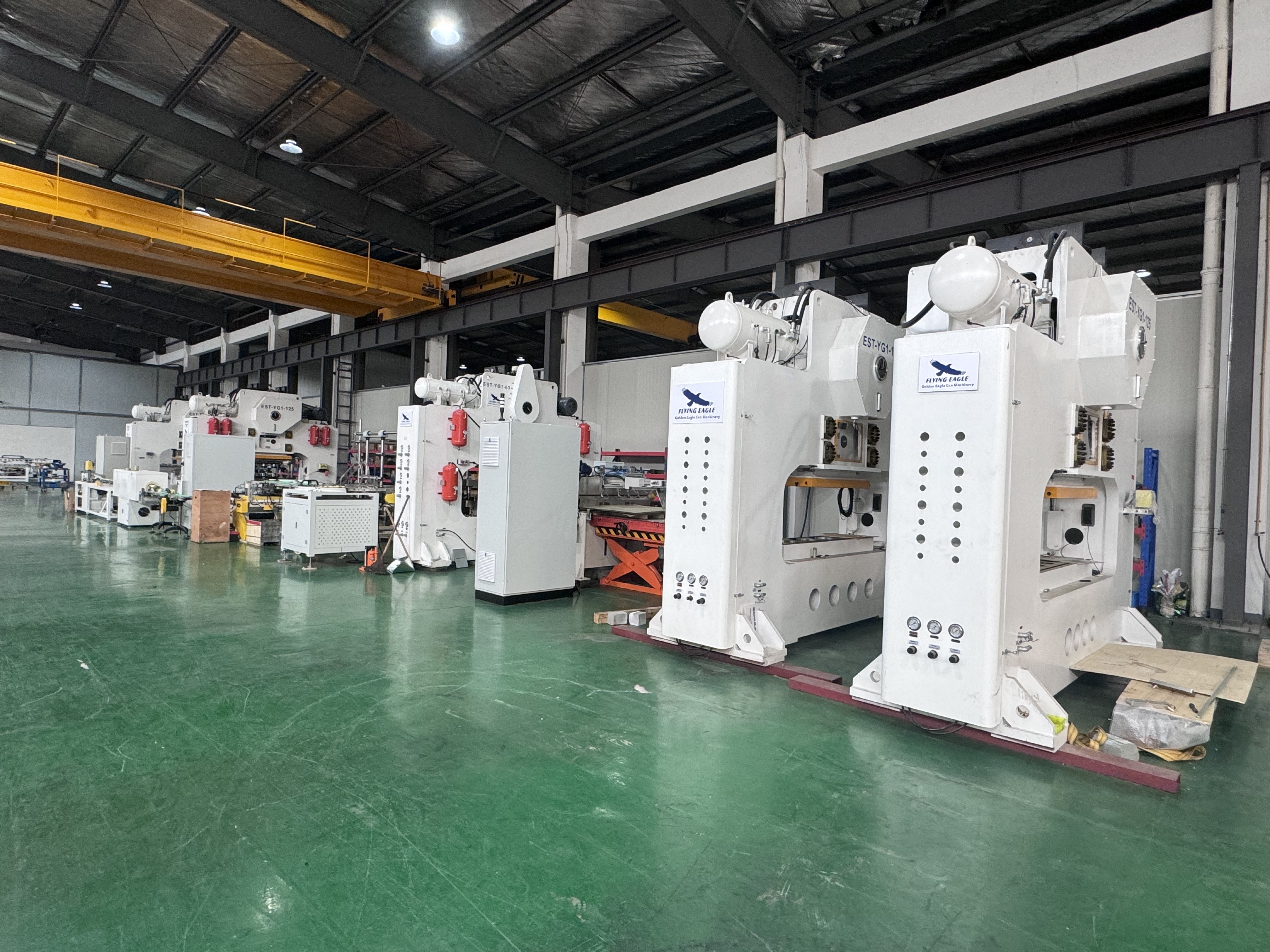
A slitter is only one part of a reliable blank-feeding arrangement. The cut blanks also need to leave the machine in the right orientation and reach the next process without avoidable handling or surface damage. For buyers planning a new can-making line or upgrading an existing one, the key question is how cutting, transfer and downstream feeding will work together.
Golden Eagle and Estes Group's range includes Duplex Gang Slitters, body blank transfer equipment and SMART series can body welders. The slitter range lists the PTGS-2 and PTGS-3 series. Start with your blank size, material and target output, then review the transfer arrangement alongside the machine selection.
Discuss your slitting and transfer requirements
Which sheet and blank sizes will the line run?
Provide the supplier with the incoming sheet dimensions and the required finished blank dimensions. Include the material, thickness range and any coating or printing that needs to be protected during handling. The quotation should state the dimensional and edge-quality requirements that will be checked at acceptance.
If the project covers several can sizes, list each format rather than supplying only the largest or smallest one. Ask which tooling and adjustments are needed for changeovers, and confirm the material and thickness range for the selected model.
How will the blanks reach the next machine?
Clarify whether the proposed system delivers blanks directly to the next machine, collects them in stacks or uses another handling arrangement. Confirm the outlet direction, blank orientation, transfer height and available floor space with the supplier. Where printing or coating is involved, specify the areas that must remain protected from handling marks.
Set out where the transfer equipment starts and ends. If the next machine comes from another supplier, share its inlet layout and feeding requirements early. This helps define who provides the mechanical connection, control signals and commissioning checks before the equipment order is placed.
Will cutting and transfer keep pace with the line?
Use the required sustained output for each can format as the basis for the line review. The slitter and transfer arrangement need to supply the next process through normal running, stops, restarts and format changes. Review whether the layout needs a buffer and how blanks will be handled when one machine stops.
The Duplex Gang Slitter has a dual-chain drive, adjustable positioning, pneumatically liftable rollers for knife adjustment and bearing-supported rollers for tinplate feeding. Check the selected model's specification against the material, blank size and output required for the project.
Plan the layout, controls and maintenance access
Review the operating sequence, stop signals and control interfaces as part of the layout. Leave access for knife adjustment, routine maintenance and material loading. Include the site's utilities and safety requirements in the discussion before the arrangement is finalised.
Include the installation country, available power supply and operating language in the enquiry. Ask what is included for installation, operator training and spare parts, and who will support the equipment after commissioning.
What should the acceptance trial cover?
Before purchase, agree which material and blank formats will be used for testing. Define how dimensional checks, transfer consistency, acceptable surface condition and sustained output will be recorded. Include stop-and-restart and changeover checks where they are relevant to the intended production arrangement.
Record the agreed material, formats, test conditions and results in the acceptance documentation. A running video is useful for discussing the layout; a trial with the specified material shows how the proposed combination performs for the actual job.
Information to send with a quotation request
- Incoming sheet size, material, thickness and coating or printing details.
- Required blank sizes and the can formats they will serve.
- Dimensional, edge-quality and surface-condition requirements.
- Required sustained output and expected format changes.
- Downstream equipment details and proposed transfer layout.
- Installation country, utilities, operating language and support requirements.
Planning a slitting and transfer project? Send Golden Eagle and Estes Group your sheet and blank sizes, thickness range, target output and downstream machine details to discuss equipment selection and request a quotation. If you are upgrading an existing line, include its machine models and a layout or clear photos of the connection points.
Frequently asked questions
What is the difference between a can-making slitter and a body blank transfer system?
A slitter cuts sheet material into the required blanks. The transfer arrangement handles those blanks as they move to a collection point or the next process. The exact scope depends on the quoted configuration.
Can an automatic transfer arrangement be added to an existing slitter?
An existing line needs a compatibility review before a transfer arrangement is selected. Share the slitter model, outlet layout, blank sizes, control information and available space so that the connection requirements can be assessed.
What information is needed to confirm the slitter model and output?
Provide the sheet and finished blank sizes, material, thickness range and required sustained output. Confirm the model and transfer arrangement in the quotation, then agree how the quoted combination will be tested.
Should the slitter and welder have the same stated speed?
Nominal speed alone does not establish line compatibility. Review the actual blank format, feeding and transfer arrangement, operating sequence and sustained output of the proposed combination.
What is needed to compare PTGS-2 and PTGS-3?
Compare the current specifications against your sheet and blank sizes, thickness range, cutting requirements, tooling and target output. Include the required transfer arrangement in the enquiry so that you compare complete configurations.
Where can buyers see related equipment?
Review the existing Duplex Gang Slitter, Body Blanks Transfer System and Smart series can body welder pages, then request a configuration-specific proposal through the official website contact page.
Related equipment: Duplex Gang Slitter | Body Blanks Transfer System | Smart series can body welder. Contact the team.
Request a slitting and transfer quotation
Send your project details through the enquiry page to start the discussion.