


Duplex Gang Slitter
Download the file


Download Product File
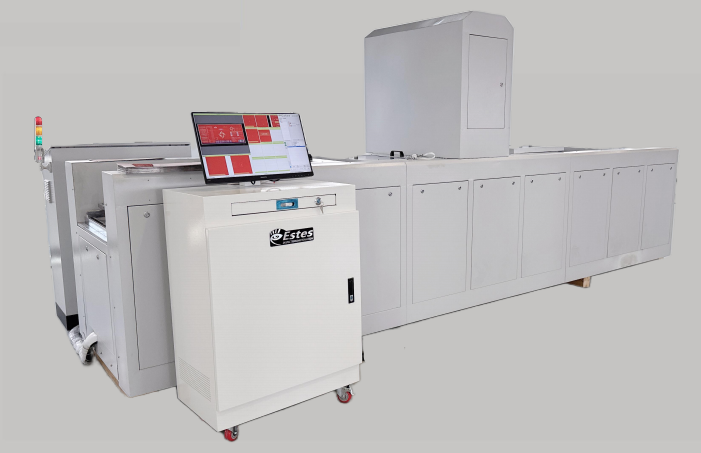
On Line/Off Line Printing Body Blank
Surface Defect Vision Inspection Equipment
Surface Defect Vision Inspection Equipment
Vision inspection for printed and lacquered can body blanks
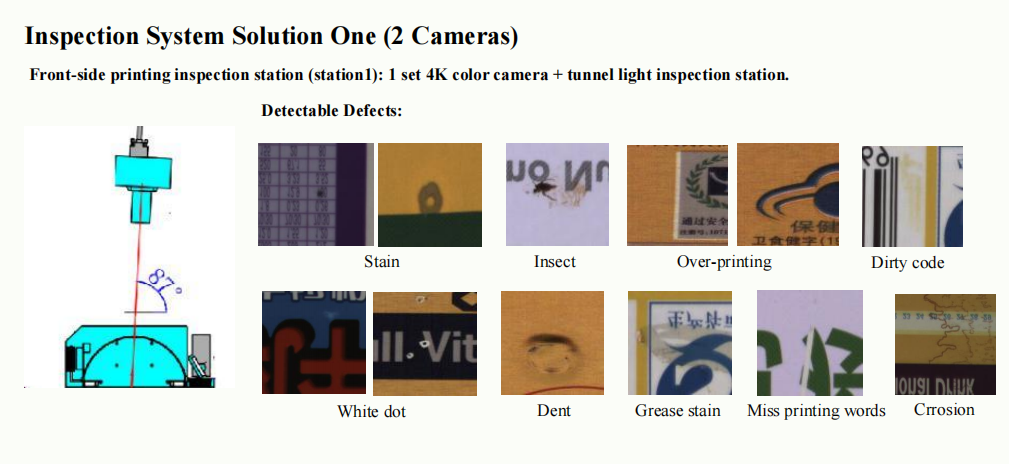
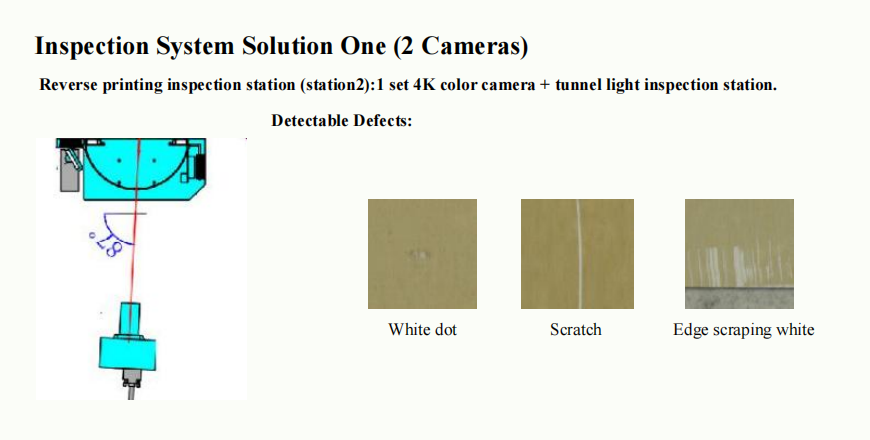
A print mark or coating defect is easier to review while the can body blank is still flat. Golden Eagle & Estes offers vision inspection equipment for checking the surface of printed or lacquered can body blanks before forming, with in-line and off-line configurations.
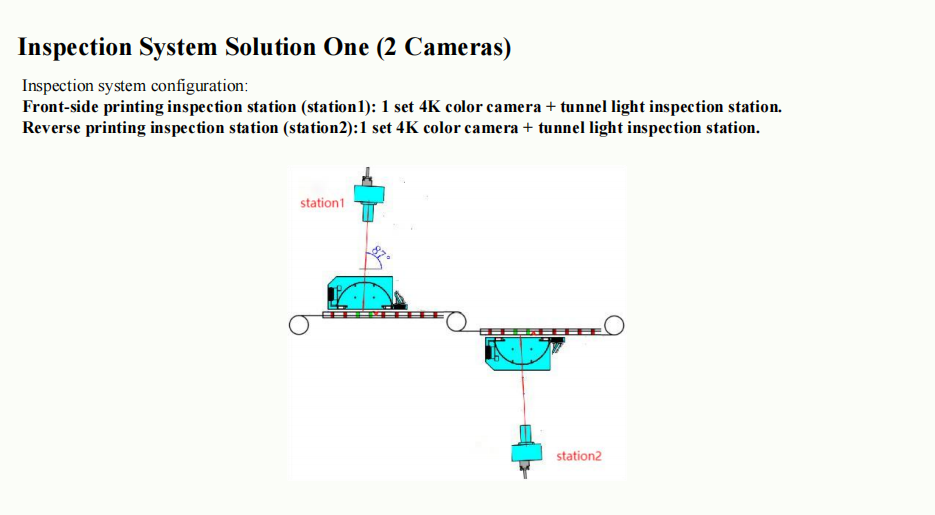
For an in-line project, start with where the inspection station would sit and how blanks move through it. For a separate off-line station, consider how operators would load the blanks and handle any pieces flagged for review. Use your own blank samples to assess the inspection setup against the defects that matter to your production.
Questions to ask before specifying a system
What samples should we prepare for an inspection trial?
Prepare good blanks and examples of the print or coating defects you want to catch. Label the inspection side, the areas to check and the smallest defect you consider unacceptable. Include samples with normal print or finish variation so these can be considered during the trial.
How do we choose between in-line and off-line inspection?
For in-line inspection, share the current line speed, blank orientation and the space available at the proposed inspection point. For off-line inspection, describe how blanks would reach the station and how many you need to check per shift. This gives the equipment team a starting point for sizing the inspection and handling setup.
What should happen when a blank is flagged?
Decide whether an operator should review the blank or whether it needs to be removed from the flow. If you need automatic rejection, describe where rejected blanks can be collected and how you want to verify that they were removed during acceptance testing.
Read the buying guide on welding monitoring and body blank inspection
Discuss your body blank inspection project
Tell us your blank dimensions, inspection side, target throughput and the defects you want to detect. If you already have photos or a line layout, mention them in your enquiry so we can discuss a suitable inspection setup and what to include in a sample trial.
Request a body blank inspection quote
Download Product File
Series
MV-MP-YSeries
Reset filters

Equipment Features
Specifications
Application scenarios
Other products


Body Blanks Transfer System

Powder coating machine
a. Compact integrated design, save and convenient for several production lines connect with the same powder machine via different pipe system. Although one powder machine can only serve one line, but if one line not use, it can serve to other line without any moving....

Whatsapp & Wechat: +86-13758019928 / +86-13867206225
Email: info@estes-engineering.com
Add: No. 288 Pengyuan Road, Cidong Binhai District, Cixi, Ningbo


Copyright © Golden Eagle All Right Reserved.